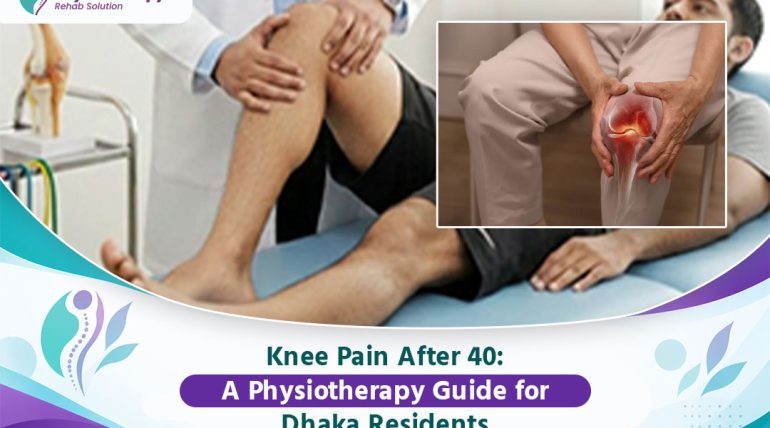
Knee pain after 40 can make ordinary tasks—climbing stairs, getting out of a chair, walking, or sitting through a long Dhaka commute—surprisingly difficult. Age can increase the likelihood of conditions such as knee osteoarthritis, but pain is not something you simply have to accept as part of getting older.
If you are considering knee pain physiotherapy Dhaka, the first step is understanding what may be driving your symptoms. Physiotherapy can identify movement limitations, weakness, activity-related triggers, and other factors contributing to pain, then build a plan around your daily needs.
Why Knee Pain Increases After 40
Knee pain becomes more common with age because joints, muscles, tendons, and previous injuries can all affect how the knee tolerates load. Osteoarthritis is one important cause. The World Health Organization notes that osteoarthritis commonly begins in the late 40s to mid-50s, although it can occur earlier, particularly after joint injury. Ageing does not make osteoarthritis inevitable.
Other possible causes include tendon irritation, meniscus problems, patellofemoral pain, old ligament injuries, or a sudden change in activity. Treating every painful knee as “arthritis” can therefore be misleading.
Strength and Previous Injuries Matter
The muscles around the hip, thigh, and calf help control forces through the knee. When strength or movement capacity declines, stairs, squatting, and longer walks may become more uncomfortable.
A previous ACL, meniscus, fracture, or sports injury can also affect the knee years later. Persistent swelling, locking, giving way, or recurring pain deserves proper assessment rather than repeated self-treatment.
Dhaka-Specific Triggers
Living in Dhaka does not directly cause knee disease, but common daily routines can aggravate an already sensitive knee or make regular activity harder to maintain.
Stairs and Repeated Loading
Repeated stair climbing requires more knee bending and muscular effort than level walking. Stairs are not inherently harmful, but an irritated or weak knee may need gradual strengthening before frequent stair use becomes comfortable.
Long Traffic Commutes
Long periods sitting in cars, buses, CNGs, or ride-sharing vehicles can leave the knee feeling stiff, particularly when it remains bent for a long time. Changing position and taking brief walking breaks when practical can help maintain movement.
Limited Walking Opportunities
When comfortable walking space is limited, it can be easier to become less active. Reduced activity may contribute to loss of leg strength and general fitness. Build activity gradually rather than suddenly starting long walks or intense workouts.
Physiotherapy Treatment Options
Knee pain physiotherapy in Dhaka should begin with an assessment, not a one-size-fits-all exercise sheet. A physiotherapist may assess swelling, knee and hip movement, muscle strength, balance, walking, stair tolerance, and the activities that matter most to you.
Treatment may include:
- tailored strengthening for the thigh, hip, hamstring, and calf muscles;
- mobility exercises for stiffness;
- balance and neuromuscular training;
- graded walking or other aerobic activity;
- advice on stairs, commuting, and activity pacing;
- education about flare-ups and safe progression; and
- manual therapy when appropriate alongside exercise.
For knee osteoarthritis, NICE recommends therapeutic exercise tailored to the individual, including local muscle strengthening and aerobic fitness. It also advises that manual therapy, when used, should be combined with therapeutic exercise rather than offered on its own.
You can learn more about Advanced Physiotherapy & Rehab Solution’s orthopedic and musculoskeletal rehabilitation services for joint function, mobility, and individualized rehabilitation. The clinic lists both orthopedic and musculoskeletal rehabilitation among its physiotherapy services.
What If You Have Knee Osteoarthritis?
Exercise remains a core treatment. Some people notice temporary discomfort when starting a new program, but regular, appropriately progressed exercise can improve pain and physical function over time. NICE specifically emphasizes consistent therapeutic exercise as a central part of osteoarthritis management.
For people with knee osteoarthritis who are living with overweight or obesity, weight management may also help. NICE advises that weight loss can improve pain, physical function, and quality of life.
Seek prompt medical assessment instead of relying on routine exercises if the knee is badly swollen or deformed, you cannot put weight on it, severe pain follows a significant injury, or a hot swollen knee occurs with fever or feeling unwell.
Prevention Tips & Home Exercises
The goal is usually not to avoid movement, but to build enough strength and activity tolerance for everyday life.
- Break up long sitting. Stand, straighten the knee, or walk briefly when practical.
- Increase activity gradually. Avoid sudden jumps from little exercise to long walks or demanding workouts.
- Strengthen the legs regularly. Strong thigh and hip muscles support everyday knee function.
- Use symptoms as feedback. Sharp pain, significant swelling, or steadily worsening symptoms should not be ignored.
- Maintain a healthy body weight when relevant. This can support symptom management in knee osteoarthritis.
Three Simple Home Exercises
If you have no recent serious injury and these movements are comfortable, these basic knee strengthening exercises can be a useful starting point:
Sit-to-stand: Sit on a stable chair with your feet planted. Stand under control, then slowly sit back down.
Straight-leg raise: Lie on your back with one knee bent and the other straight. Tighten the thigh of the straight leg, lift it a short distance, pause, and lower slowly.
Supported calf raise: Hold a stable surface, rise onto your toes, pause, then lower with control.
These exercises are commonly used in knee rehabilitation programs, but they should be adapted to your ability and condition. Stop and seek professional guidance if a movement causes sharp pain, marked swelling, instability, or a clear worsening that does not settle.
Conclusion
Knee pain after 40 is common, but it should not automatically be dismissed as “just age.” Osteoarthritis, previous injuries, reduced strength, stiffness, and changes in daily activity can all play a role.
A structured approach to knee pain physiotherapy Dhaka can help identify what your knee needs, improve strength and mobility, and make walking, commuting, and climbing stairs more manageable.
If knee pain keeps returning, limits your routine, or is not improving, schedule a knee assessment with Advanced Physiotherapy & Rehab Solution in Dhanmondi so your treatment plan can be based on a proper evaluation. The clinic currently lists its location on Satmasjid Road in Dhanmondi.
FAQs
Is physiotherapy good for knee pain after 40?
It can be. Physiotherapy can improve strength, movement, balance, and activity tolerance. For knee osteoarthritis specifically, therapeutic exercise is a recommended core treatment. The right program still depends on the cause of your symptoms and your individual assessment.
Should I stop walking if my knee hurts?
Not automatically. Staying active is beneficial for many knee conditions, but the amount and intensity may need adjustment. If walking causes increasing swelling, severe pain, locking, inability to bear weight, or instability, arrange an assessment rather than trying to push through it.
Can knee osteoarthritis improve with exercise?
Exercise does not reverse structural osteoarthritis, but clinical guidelines recommend therapeutic exercise because consistent strengthening and aerobic activity can reduce pain and improve physical function and quality of life.