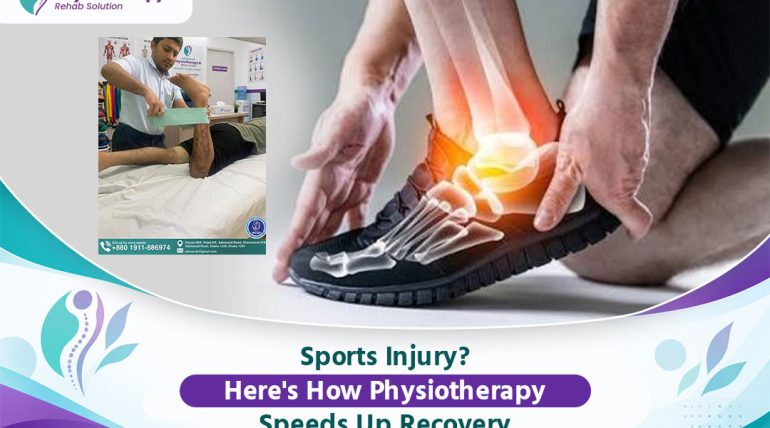
A twisted ankle during football, a pulled hamstring at the gym, or a painful knee after running can interrupt training in seconds. The harder question comes next: when is it safe to start moving again?
Effective sports injury physiotherapy Dhaka is not about simply making pain disappear. The goal is to restore movement, strength, balance, confidence, and sport-specific ability so you can return without rushing an injury that still needs rehabilitation.
That process starts with identifying what was injured, how severe it may be, and what your body needs at each stage of recovery.
Common Sports Injuries We Treat
Sports injuries can affect muscles, ligaments, tendons, joints, and bones. Some develop suddenly during a tackle, jump, sprint, or awkward landing, while others build gradually from repeated training loads.
Common problems seen in sports rehabilitation include:
- Ankle sprains from twisting or landing awkwardly
- Muscle strains, particularly in the hamstrings, calves, or groin
- Knee ligament injuries, including ACL and other ligament problems
- Meniscus-related knee injuries
- Shoulder injuries associated with throwing, lifting, or contact sports
- Tendon problems linked with repeated loading
- Knee pain associated with running and jumping
- Recurring injuries that return after an incomplete rehabilitation
The right treatment depends on the diagnosis and severity. A mild ankle sprain and a significant ligament tear should not follow the same rehabilitation plan.
If you cannot bear weight, have major swelling or deformity, heard a crack during the injury, or develop numbness or unusual changes in skin colour, seek prompt medical assessment because a fracture or more serious injury may need to be ruled out.
Advanced Physiotherapy & Rehab Solution lists musculoskeletal rehabilitation for muscle, ligament, and joint-related concerns as part of its physiotherapy services. You can explore its sports injury and musculoskeletal rehabilitation services when considering treatment in Dhaka.
Why Early Physiotherapy Matters
Early physiotherapy does not mean forcing an injured joint or muscle back into training immediately. It means getting an appropriate assessment early enough to understand what movements are safe, what needs protection, and how rehabilitation should progress.
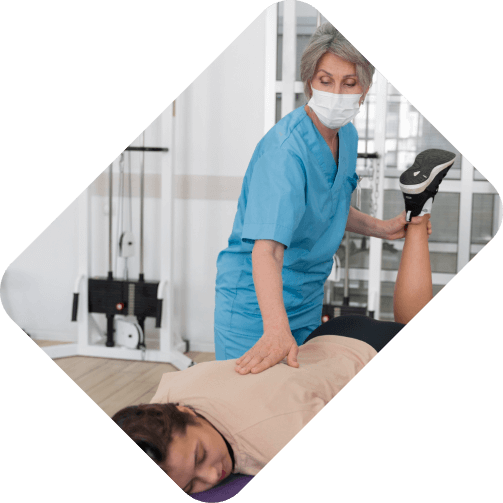
For an uncomplicated sports injury, rehabilitation may begin with controlled movement and gradually progress toward strength, balance, coordination, and sports-specific loading.
For example, clinical guidelines for lateral ankle sprains recommend progressive weight bearing when appropriate, structured therapeutic exercise, balance training, and sport-related rehabilitation based on injury severity and examination findings.
How Physiotherapy Supports Recovery
Depending on the injury, a physiotherapy program may include:
- managing pain and swelling;
- restoring joint range of motion;
- rebuilding muscle strength and endurance;
- improving balance and proprioception;
- correcting movement problems relevant to the injury;
- gradually increasing running, jumping, changing direction, or throwing loads; and
- preparing the athlete for the physical demands of their sport.
This structured approach also addresses a common mistake: returning as soon as pain feels better. Reduced pain is useful, but it does not automatically mean strength, control, and sport-specific capacity have fully recovered.
Recovery Timeline: Return-to-Play Phases
There is no reliable universal answer to “How many weeks until I can play again?” A muscle strain, ankle sprain, ACL injury, and shoulder injury all have different biological healing requirements.
Modern return-to-sport guidance favors criteria-based progression rather than relying on time alone. Athletes should advance when appropriate functional milestones have been reached.
Phase 1: Protect and Assess
The first priority is identifying the injury, managing symptoms, and deciding how much movement or loading is appropriate.
Phase 2: Restore Movement and Strength
Exercises gradually target mobility, muscle activation, strength, balance, and control. The program becomes more challenging as symptoms and function improve.
Phase 3: Rebuild Sports-Specific Capacity
A runner may progress toward running drills. A footballer may need acceleration, cutting, kicking, jumping, and landing work. Rehabilitation should increasingly resemble the demands of the activity you want to return to.
Phase 4: Return to Participation
You may begin modified training while still completing rehabilitation. At this point, participating in some training does not necessarily mean you are ready for unrestricted competition.
Phase 5: Return to Sport and Performance
Return-to-sport frameworks distinguish between returning to participation, returning to the sport itself, and ultimately returning to the desired performance level. Functional testing and the demands of the specific sport should guide those decisions.
Complementary Care — Manual Therapy & Chiropractic
Hands-on treatment can sometimes complement sports rehabilitation, particularly when pain or restricted movement is limiting exercise.
Manual therapy may include joint mobilization and selected soft-tissue techniques. For ankle sprains, clinical guidance supports using appropriate manual therapy alongside therapeutic exercise to help improve short-term mobility and pain-free movement.
The important phrase is alongside exercise. Passive treatment alone cannot rebuild the strength, balance, endurance, and sport-specific capacity needed for a safe return.
Where Chiropractic May Fit
For selected musculoskeletal problems, chiropractic or spinal/manual techniques may be considered after an appropriate clinical assessment. They are not a universal treatment for every sports injury, and they should not replace rehabilitation of the injured muscle, ligament, tendon, or joint.
Advanced Physiotherapy & Rehab Solution currently lists both manual therapy and chiropractic adjustments among its available services. If your rehabilitation plan may benefit from this type of complementary care, you can learn more about chiropractic care in Dhanmondi and discuss whether it is appropriate for your condition.
Conclusion
The fastest route back to sport is not always the shortest route. Returning before movement, strength, balance, and sport-specific capacity are ready can leave important parts of rehabilitation unfinished.
A structured sports injury physiotherapy Dhaka program focuses on what you can safely do now, what needs to improve next, and which functional milestones should be reached before returning to full activity.
If an injury is limiting training, keeps returning, or is not improving as expected, book a sports injury consultation with Advanced Physiotherapy & Rehab Solution in Dhanmondi for an individual assessment and recovery plan. The clinic’s contact page confirms its location on Satmasjid Road in Dhanmondi.
FAQs
When should I see a physiotherapist after a sports injury?
Consider an assessment when pain, swelling, weakness, stiffness, or difficulty performing normal activities persists after an injury. Earlier assessment can also help determine appropriate activity and rehabilitation. Seek urgent medical care instead if the injury involves major deformity, inability to bear weight, numbness, or signs that could indicate a fracture.
How do I know when I am ready to return to sport?
Pain alone should not determine readiness. Return-to-sport decisions may consider movement, strength, balance, functional testing, sport-specific skills, healing, and confidence. Current return-to-sport frameworks favor gradual, criteria-based progression rather than using a fixed number of days or weeks.
Can physiotherapy help prevent the same sports injury from happening again?
Rehabilitation can address modifiable factors such as strength, balance, coordination, and movement control. For ankle sprains specifically, guidelines support balance and proprioceptive exercise programs as part of reducing the risk of recurrent injury.